
When it comes to dealing with metal roof leaks, understanding the causes, inspection methods, repair techniques, and preventive measures are essential for maintaining the integrity of your roof. In this guide, we will delve into the intricacies of metal roof leak repair, providing valuable insights and tips to help you address this common issue effectively.
Understanding Metal Roof Leaks
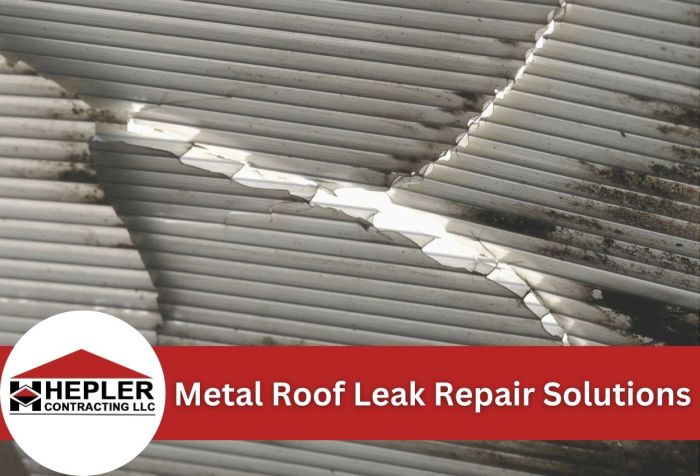
Metal roof leaks can be a common issue that homeowners face, and it is essential to understand the causes, importance of timely repair, and signs indicating a leak.Metal roof leaks can occur due to various reasons, including:
- Poor installation or maintenance
- Age of the roof
- Weather damage such as hail or strong winds
- Corrosion or rusting of metal panels
- Improper sealing around roof penetrations
Timely repair of metal roof leaks is crucial to prevent further damage to the structure of the roof and the interior of the building. Ignoring a leak can lead to more extensive water damage, mold growth, and compromise the structural integrity of the roof.Signs indicating a metal roof leak include:
- Water stains on the ceiling or walls
- Dripping water inside the building
- Mold or mildew growth
- Musty odor in the building
- Visible gaps or holes in the metal roof panels
It is important to address any signs of a metal roof leak promptly to avoid costly repairs and further damage to the property.
Inspection and Identification
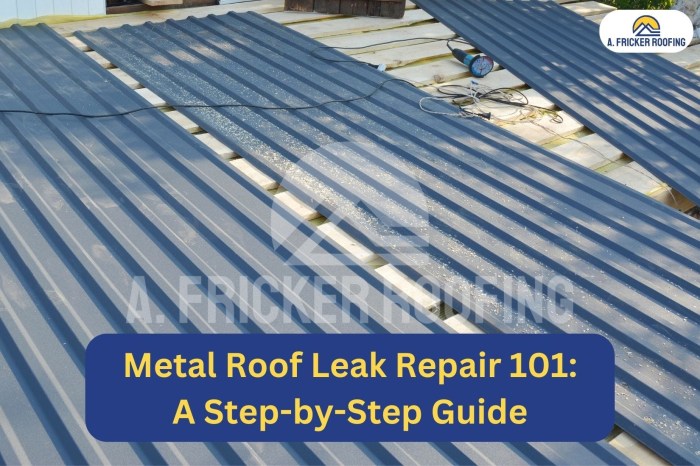
When it comes to inspecting and identifying leaks on a metal roof, it is crucial to follow a systematic approach to pinpoint the exact location of the issue. Visual inspection plays a key role in this process, allowing you to identify signs of water intrusion and potential problem areas that require immediate attention.
Inspecting a Metal Roof for Leaks
- Start by examining the interior of the building for any water stains, mold, or mildew, as these can indicate the presence of a leak in the roof.
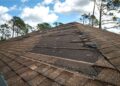
- Inspect the metal roof from the outside, looking for any visible signs of damage such as missing or damaged panels, rust spots, or loose fasteners.
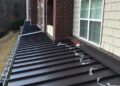
- Check the roof valleys, flashing, and seams for any gaps or cracks where water could seep through.
- Utilize a moisture meter to detect any hidden areas of moisture that may not be visible to the naked eye.
Identifying the Exact Location of a Leak
- Perform a water test by flooding small sections of the roof with water and observing where leaks occur to pinpoint the exact location.
- Look for water stains or discoloration on the underside of the metal panels, as these can indicate the path of the leak.
- Use a chalk line to mark the areas where leaks are suspected, making it easier to track down the source of the issue.
Repair Techniques
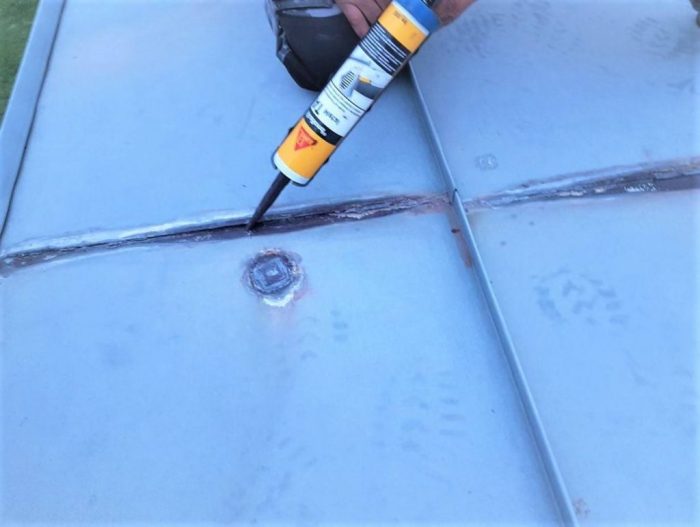
Metal roof leaks can be a hassle to deal with, but with the right repair techniques, you can effectively address the issue. Whether you choose to tackle the repair yourself or hire a professional, it's essential to understand the different methods and materials needed for fixing a metal roof leak.
Repair Techniques
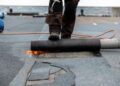
When it comes to repairing a metal roof leak, there are several techniques you can consider depending on the extent of the damage. Here are some common repair methods:
- Sealant: One of the simplest ways to repair a metal roof leak is by using a high-quality sealant. This can help seal small cracks or gaps in the roof, preventing water from seeping in.
- Patching: For more significant damage, patching the affected area with metal patches or sheets can provide a more durable solution. Make sure to clean and prepare the area properly before applying the patch.
- Replacement: In cases where the damage is extensive, replacing the damaged metal panels or sheets may be necessary. This ensures a long-lasting repair and prevents future leaks.
Materials Needed
To effectively repair a metal roof leak, you will need the following materials:
- High-quality sealant or roofing cement
- Metal patches or sheets
- Screws or fasteners
- Caulk or sealant gun
- Roofing tape or fabric
- Safety gear such as gloves, goggles, and a ladder
DIY vs Professional Repair
Deciding whether to repair a metal roof leak yourself or hire a professional depends on your comfort level with DIY projects and the extent of the damage. DIY repairs can be cost-effective if you have the necessary skills and tools, but hiring a professional ensures a proper and long-lasting repair.
Consider the complexity of the repair, your time availability, and safety concerns before making a decision.
Prevention and Maintenance
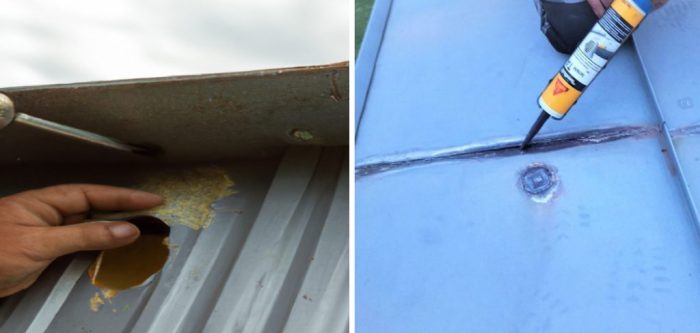
Metal roofs are durable and long-lasting, but proper preventive measures and regular maintenance are crucial to avoid leaks and ensure their longevity. By taking proactive steps and staying on top of maintenance tasks, you can prevent potential issues and costly repairs down the line.
Preventive Measures
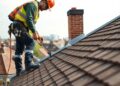
- Regular Inspections: Conduct routine inspections of your metal roof to check for any signs of damage, such as loose or missing screws, rust spots, or damaged sealants.
- Clean Gutters and Downspouts: Keep gutters and downspouts clear of debris to prevent water backup and ensure proper drainage.
- Trim Overhanging Branches: Trim tree branches that hang over your roof to prevent damage from falling limbs and debris.
- Address Rust Immediately: If you notice any signs of rust on your metal roof, address it promptly to prevent further corrosion and potential leaks.
- Seal Gaps and Joints: Ensure that all gaps, joints, and seams on your metal roof are properly sealed to prevent water infiltration.
Maintenance Tips
- Clean Regularly: Keep your metal roof clean by removing debris, dirt, and other buildup that can trap moisture and lead to corrosion.
- Check Flashing: Inspect flashing around roof penetrations, such as vents and chimneys, to ensure they are secure and watertight.
- Monitor Sealants: Check and replace sealants as needed to maintain a watertight seal and prevent leaks.
- Remove Snow Buildup: In snowy climates, remove snow from your roof to prevent ice dams and water infiltration.
- Professional Inspections: Consider hiring a professional roofer for annual inspections to identify and address any potential issues early on.
Ultimate Conclusion
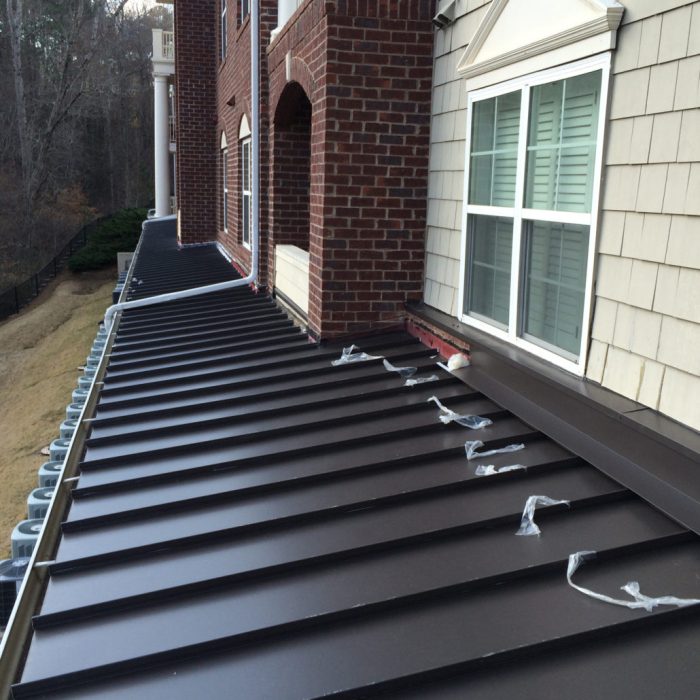
In conclusion, staying proactive in identifying and addressing metal roof leaks can save you time, money, and headaches in the long run. By following the guidelines Artikeld in this comprehensive guide, you can ensure that your metal roof remains sturdy and leak-free for years to come.
Questions and Answers
What are some common causes of metal roof leaks?
Common causes include improper installation, corrosion, damaged flashing, and weather-related wear and tear.
Is DIY repair effective for fixing metal roof leaks?
DIY repair can be effective for minor leaks, but for complex issues, it's best to hire a professional to ensure the job is done correctly.
How often should I maintain my metal roof to prevent leaks?
Regular inspections and maintenance every 6-12 months are recommended to prevent potential leaks and prolong the lifespan of your metal roof.