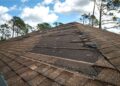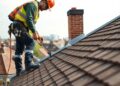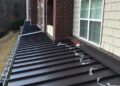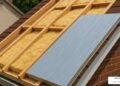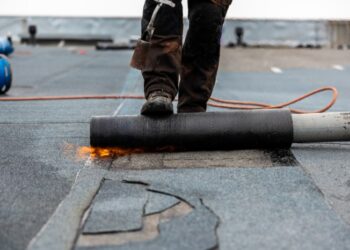

Delve into the intricate world of roof installation cost per square foot, where every detail matters. This comprehensive guide offers a detailed exploration of the key factors, materials, labor costs, and additional expenses that play a crucial role in determining the overall cost of roof installation.
Explore the nuances of each element to make informed decisions and ensure a smooth and cost-effective roofing project.
Factors influencing roof installation cost per square foot
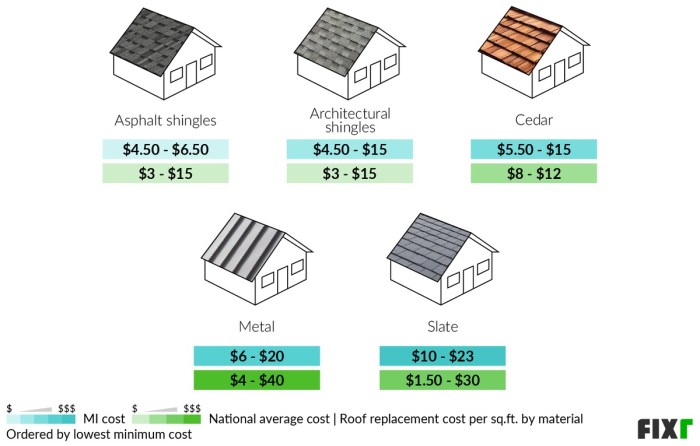
When it comes to determining the cost of roof installation per square foot, several key factors come into play. Understanding these factors can help homeowners make informed decisions and budget accordingly.
Materials
The type of roofing material chosen has a significant impact on the overall cost of installation. For example, asphalt shingles tend to be more affordable compared to metal or slate roofing. The quality and durability of the material also play a role in pricing, as higher-quality materials will generally cost more upfront but may require less maintenance and repair in the long run.
Roof Design
The complexity and design of the roof can affect the cost of installation. A roof with multiple slopes, angles, and features such as skylights or chimneys may require more labor and materials, thus increasing the overall cost. Additionally, intricate designs or customizations can add to the final price of the installation.
Labor Costs
Labor costs are a significant factor in determining the overall cost of roof installation. Highly skilled labor, experienced roofing contractors, and additional crew members can increase the labor expenses. Factors such as the size of the roofing crew, location of the property, and the time of year can also influence labor costs.
Additional Features
Adding extra features like insulation, ventilation systems, or gutter guards can contribute to the total cost of roof installation. These additional components not only enhance the functionality and efficiency of the roof but also impact the overall price of the project.
Location
The geographical location of the property can affect the cost of roof installation. Factors such as local building codes, permit requirements, and access to materials and labor can vary by region and impact the overall pricing of the project.
Conclusion
In conclusion, the cost of roof installation per square foot is influenced by a combination of factors including the materials chosen, roof design, labor costs, additional features, and the location of the property. By considering these factors, homeowners can better estimate and plan for the expenses associated with installing a new roof.
Comparison of different roofing materials and their costs
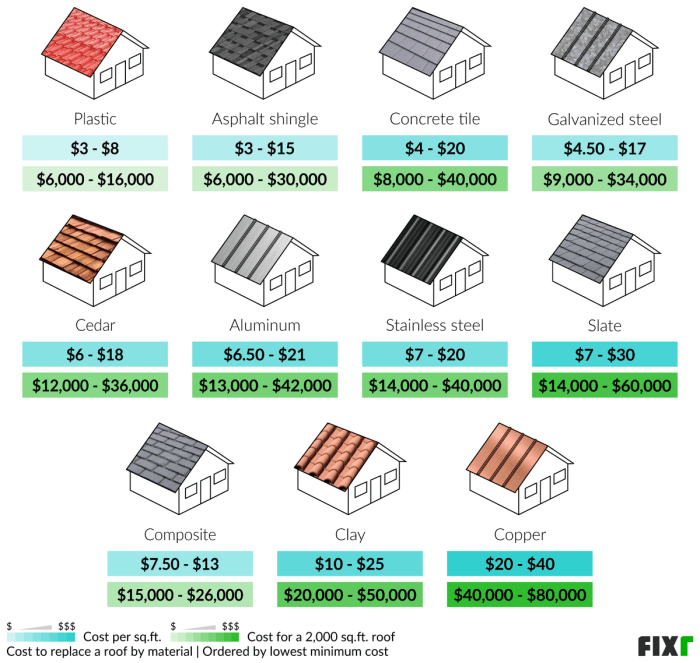
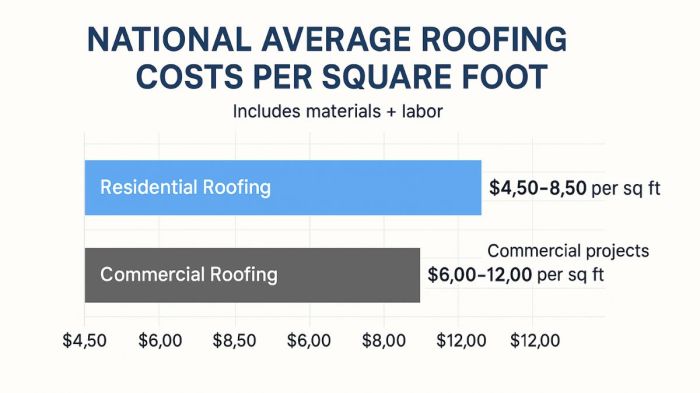
When considering the cost of roof installation per square foot, it is essential to compare the prices of different roofing materials. The choice of material not only impacts the upfront cost but also affects the long-term durability and maintenance requirements of your roof.Asphalt shingles are a popular choice due to their affordability.
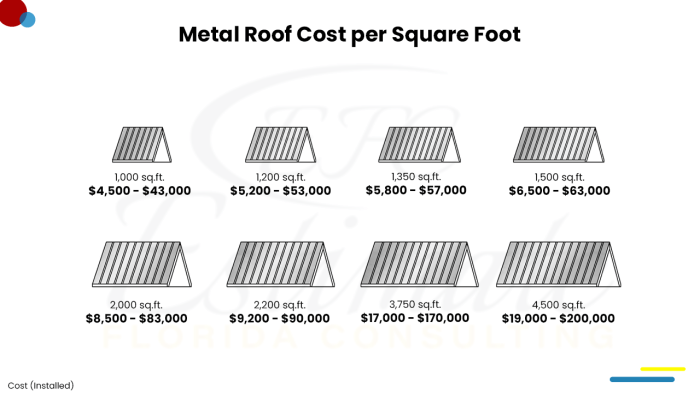
They typically cost between $1.50 to $5.50 per square foot to install. While asphalt shingles are cost-effective, they have a shorter lifespan compared to other materials, lasting around 15-30 years.Metal roofing, on the other hand, is more expensive upfront, with prices ranging from $5 to $12 per square foot for installation.
However, metal roofs are known for their longevity, lasting 40-70 years or more with minimal maintenance requirements.Tile roofs are another durable option, with costs ranging from $7 to $15 per square foot for installation. While tile roofs are more expensive, they can last 50-100 years or even longer when properly maintained.Wood shakes or shingles offer a natural and rustic look but come at a higher cost of $6 to $12 per square foot for installation.
Wood roofs require regular maintenance to prevent issues like rot and mold, but with proper care, they can last 20-40 years.Ultimately, the choice of roofing material will impact the total installation cost as well as the long-term maintenance expenses. It is important to consider not only the initial cost but also the durability and lifespan of the material to make an informed decision for your roof.
Labor costs and their impact on roof installation expenses
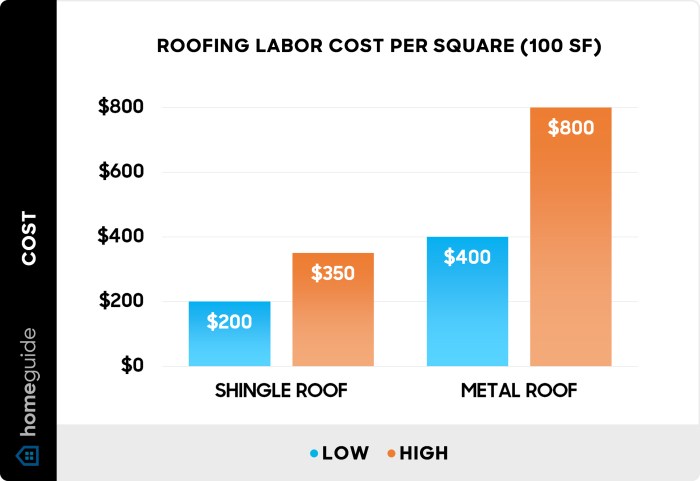
Labor costs play a significant role in determining the total expenses involved in roof installation per square foot. Understanding the various factors influencing labor costs can help homeowners make informed decisions when planning for a new roof.
Various labor costs involved in roof installation per square foot
- Roofing crew wages: The labor costs typically include payments to the roofing crew members who work on installing the roof.
- Supervision and project management: Costs related to supervising the project and managing the overall installation process.
- Insurance and benefits: Additional expenses such as insurance coverage and benefits for the laborers involved in the project.
How the complexity of the job can influence labor expenses
- Steepness of the roof: A steeper roof may require more labor and specialized equipment, leading to higher labor costs.
- Accessibility: Difficult-to-access areas on the roof can increase the time and effort required for installation, impacting labor expenses.
- Add-ons and customization: Any additional features or customization options chosen for the roof can add to the complexity of the job, affecting labor costs.
How skill level, experience, and location affect labor costs
- Skill level and experience: Highly skilled and experienced roofing professionals may charge higher labor rates, reflecting their expertise and quality of work.
- Location: Labor costs can vary depending on the geographical location of the project, with labor rates typically higher in urban areas compared to rural regions.
- Seasonal factors: Demand for roofing services during peak seasons can impact labor costs, as availability of skilled laborers may influence pricing.
Additional costs to consider in roof installation
When budgeting for a roof installation project, it's important to consider more than just the cost per square foot of the roofing material and labor. There are several additional expenses that can impact the total cost and should be factored in to avoid any surprises along the way.Permits, disposal fees, and equipment rentals are common secondary costs associated with roof installation that can significantly contribute to the overall expenses.
Permits are required by local authorities to ensure that the installation meets building codes and regulations. Disposal fees may apply if old roofing materials need to be removed and properly disposed of. Equipment rentals, such as scaffolding or safety gear, are often necessary for a safe and efficient installation process.To effectively budget for these extra expenses, it's essential to research the specific requirements in your area and obtain accurate quotes from contractors.
Factor in these costs when calculating the total budget for the project to avoid any financial setbacks. By planning ahead and accounting for all potential expenses, you can ensure a smooth and successful roof installation process.
Permits
When undertaking a roof installation project, obtaining the necessary permits is a crucial step to ensure compliance with local building codes and regulations. Failure to secure the required permits can result in fines and delays in the project timeline. It's important to factor in the cost of permits when budgeting for your roof installation to avoid any unexpected expenses.
Disposal Fees
Disposal fees are often incurred when old roofing materials need to be removed and disposed of properly. These fees can vary depending on the amount of waste generated and the disposal regulations in your area. It's essential to include disposal fees in your budget to avoid any last-minute surprises and ensure a smooth and efficient cleanup process.
Equipment Rentals
Equipment rentals, such as scaffolding, safety gear, and tools, are often necessary for a roof installation project. Renting the required equipment can add to the total cost of the project, so it's important to factor these expenses into your budget.
By obtaining quotes from rental companies and planning ahead for equipment needs, you can ensure that you have everything necessary for a successful installation.
Conclusion
In conclusion, mastering the intricacies of roof installation cost per square foot empowers homeowners and contractors alike to make informed choices and achieve optimal results within their budget. With a clear understanding of the factors at play, you can embark on your roofing project with confidence and efficiency.
Essential FAQs
What are the key factors influencing roof installation cost per square foot?
The key factors include materials used, design complexity, labor expenses, and additional costs like permits and equipment rentals.
How does the choice of roofing material impact the total installation cost?
The choice of material significantly affects the total cost as different materials come with varying price points, durability levels, and maintenance requirements.
What are the various labor costs involved in roof installation per square foot?
Labor costs can vary based on skill level, experience, and location, with more complex jobs requiring higher labor expenses.
How do additional costs like permits and disposal fees contribute to the total cost per square foot?
Additional costs are essential to consider as they can add up quickly and significantly impact the overall budget of a roofing project.
Any tips on effectively budgeting for extra expenses in roof installation?
It's crucial to factor in all potential additional costs from the beginning, allocate a buffer amount for unforeseen expenses, and work closely with your contractor to manage the budget effectively.